Search

office of surrealist investigations

Manipulating Chance

Category

Uncategorized

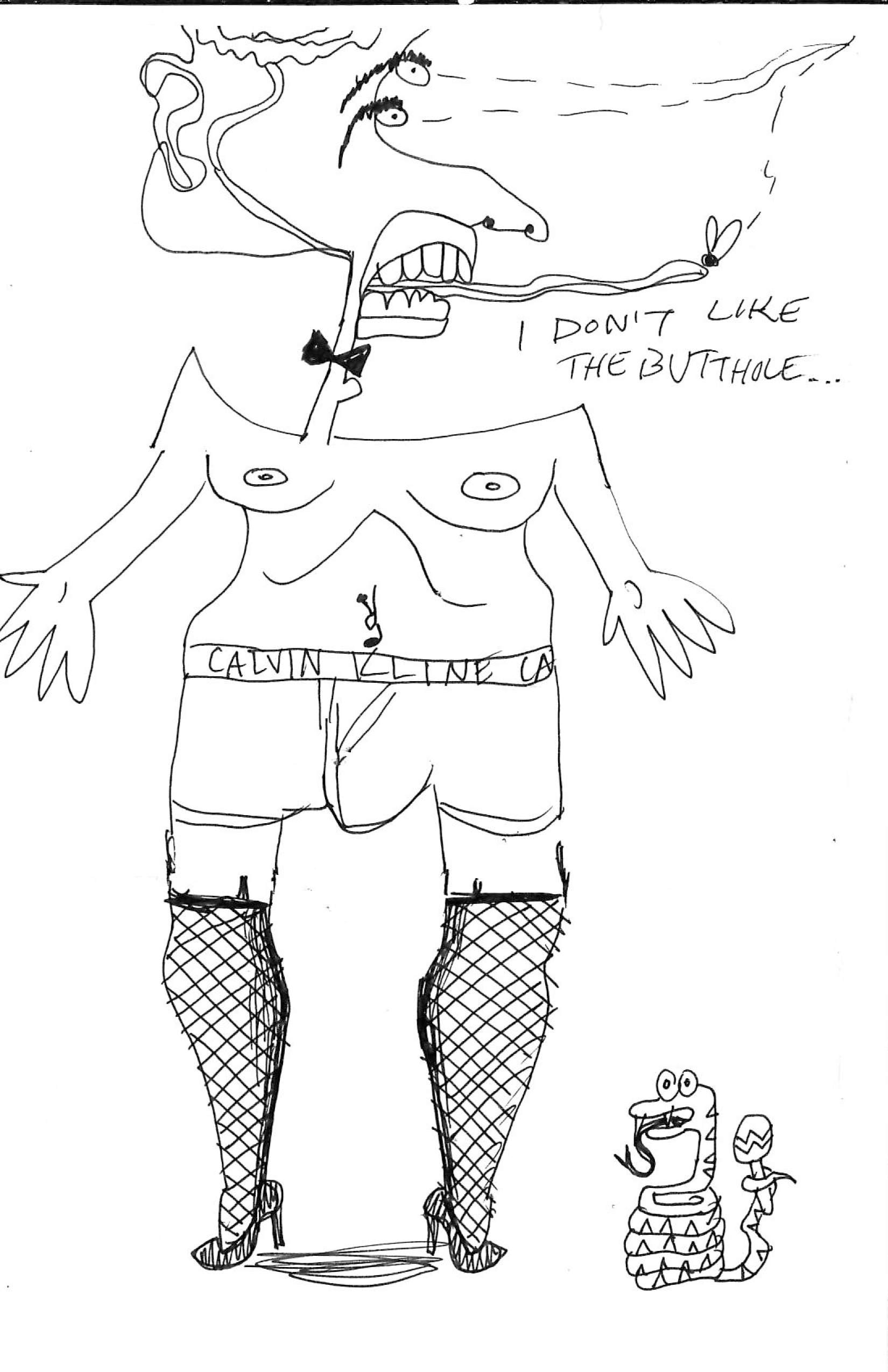
Corpse 67

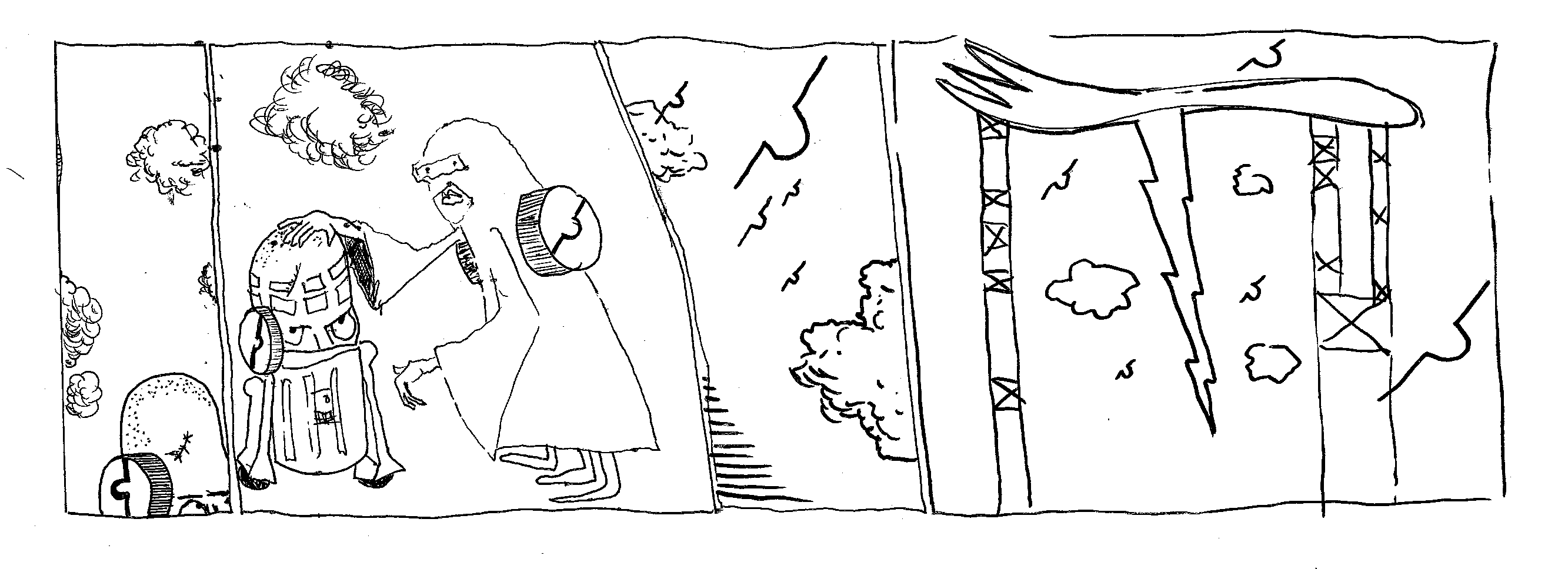
Narrative corpse nine

A narrative corpse 9

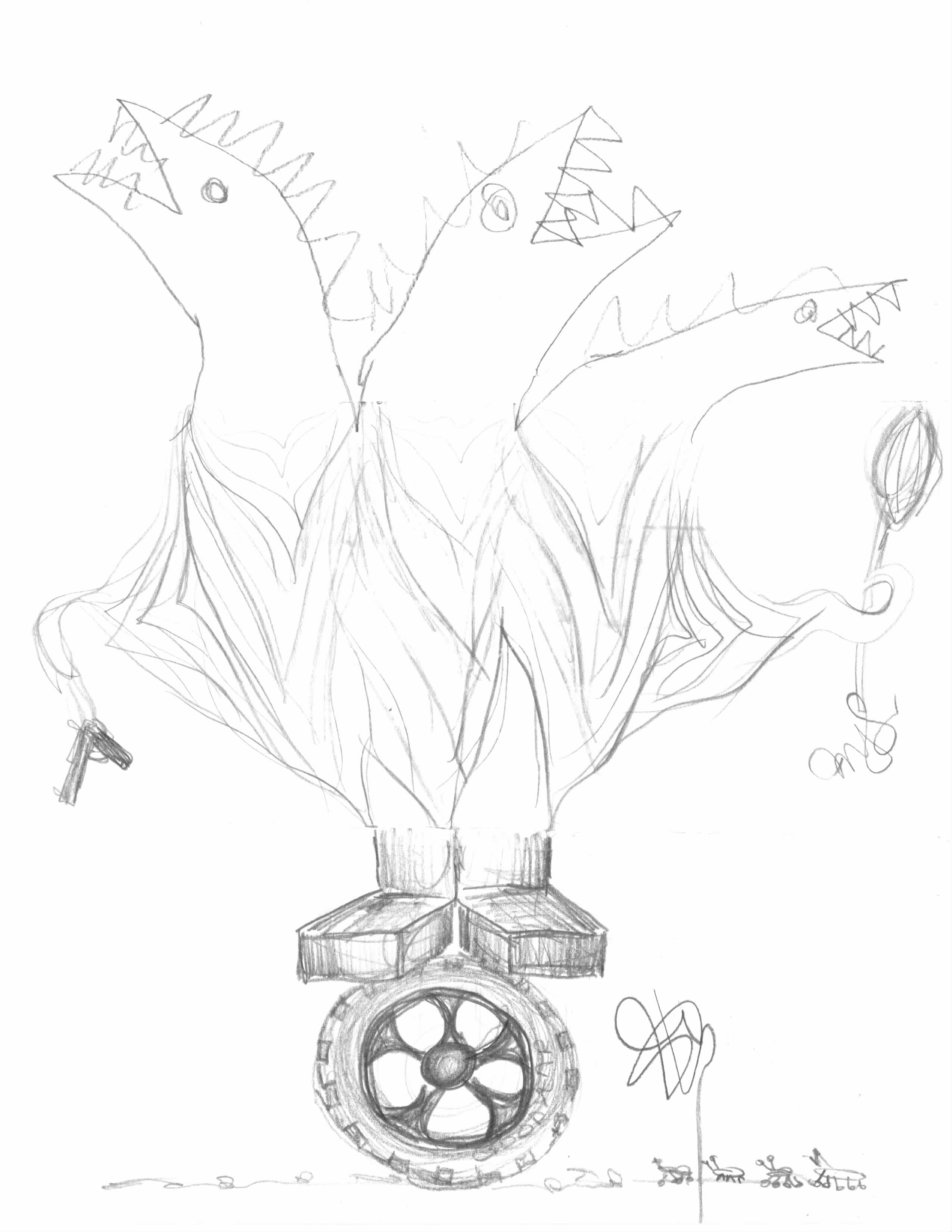
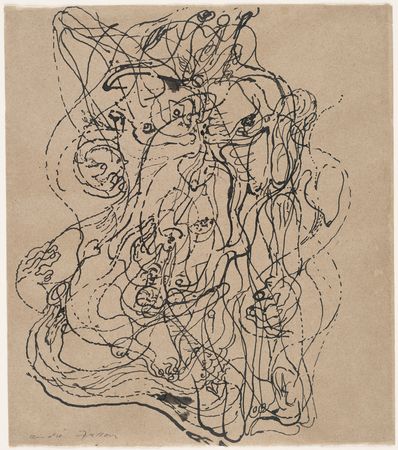
Ars Poetica #3: André Breton’s The Automatic Message and Automatic Drawing

André Masson. Automatic Drawing. (1924). Ink on paper, 91⁄4 × 81⁄8″ (23.5 × 20.6 cm). Museum of Modern Art, New York.

Andre Breton described surrealism as “pure psychic automatism.” It began in reference to writing and is served as a basis to the movement. Breton with Phillippe Soupault wrote the first automatic book, Les Champs Magnetiques, and The Automatic Message was one of Breton’s theoretical works about automatism. Interesting post on the Automatic Message on Ars Poetica #3: André Breton’s The Automatic Message. As mentioned in a previous post, automatism was central to Paul-Emile Borduas and the Automatistes. Though the process began as writing it is drawing and the shift to painting that interests me the most. Andre Masson was one of the pioneers of automatic drawing with Jean Arp and Joan Miro working it into their practice. These two are the artists I associate more with the foundations of surrealism. Dali and Breton also were known to work through automatic drawing, but the surrealism of Dali who most associate the movement is of less interest to me and takes the movement in a different direction. Automatic writing has been helpful to me as writing is where I most struggle. As you can likely tell from the copy on this blog writing is not a strong suit, so simply putting words on paper has made me more comfortable (though not necessarily better) in my writing. Rereading the words also ignites my interest in language and wordplay. This is perhaps a lead in for a series of posts on this blog as well. Drawing is where I find my art practice returning to often and I tend to straddle the line between pure automatism (reflected in Masson’s drawing above) and wandering into conscious representational imagery. Something like this automatic drawing by Jean Arp.

Jean Arp Drawing 5

Cartoon Drawing Game from the Desk of Bob Mankoff

An interesting approach to cartooning from the New Yorker.

Anyone stumbling upon this, try it out as a New Yorker contest, but also send me your drawings funny or not using the cues.

JUNE 6, 2012

TEST YOUR CARTOON CREATIVITY

Posted by 
In a previous post, I wrote that “cartooning is idea creativity on overdrive.” Cartooning, of course, is also a form of humor. In his 1964 book, “The Act of Creation,” Arthur Koestler considered humor, scientific discovery, and artistic creation to be forms of creativity, because they all involve making connections between things not usually connected to create novel and surprising combinations. Research has shown that individuals with a greater sense of humor also tend to be more creative in other areas.The assortment of shapes shown below are part of a psychological creativity test. Participants are asked to take any three pieces and use them to build an invention, a tool, an animal, a toy—anything their minds can imagine.120604_cn-objects_p465.jpgSince cartoonists have some of the most imaginative minds out there, I’ve put them to the test to see if they can meet this challenge, and come up with something funny to boot. As might be expected, the rules were not always followed. I guess that could be looked upon as cheating, or creativity, or maybe both. Anyway, here’s what they came up with:

Pat Byrnes:

120604_cn-suicide-pact-a_p465.jpg

Bob Eckstein:

120604_cn-i-scratch_p465.jpg

Tom Cheney:

120604_cn-mans-inhumanity_p465.jpg

Kim Warp:

120604_cn-mr-butter-head_p465.jpg

Jack Ziegler:

120604_cn-international-symbol_p465.jpg

Julia Suits:

120604_cn-stomperz-a_p465.jpg

Paul Noth:

120604_cn-soup-trap_p465.jpg

Well, that was a good time, wasn’t it? But why should the cartoonists have all the fun? Now it’s your turn.

Here again are the shapes for you to work with:

120604_cn-objects_p465.jpg

Just combine the three pieces anyway you like. They can be any size, and they can be made of any material. You can send us your result three ways: Reply to us on Tumblr, post on our cartoon Facebook page, or tweet your drawing with the hashtag #tnydrawing. I’ll discuss the best entries next week.

P.S. You can try to be funny or just functional, but, either way, I think you are going to do splendidly. Why? Well, as I’ve explained, the research indicates that people with a good sense of humor tend to be good at creative tasks, and since you’re reading a blog from the cartoon editor, I’m going to assume you have a good sense of humor. And there’s experimental evidence that simply exposing subjects to humorous stimuli before having them engage in an unrelated creative task makes them more creative. So consider yourself exposed, and get on with it.
Read more http://www.newyorker.com/online/blogs/cartoonists/2012/06/test-your-cartoon-creativity.html#ixzz1x3IrSBLz

DANGER!

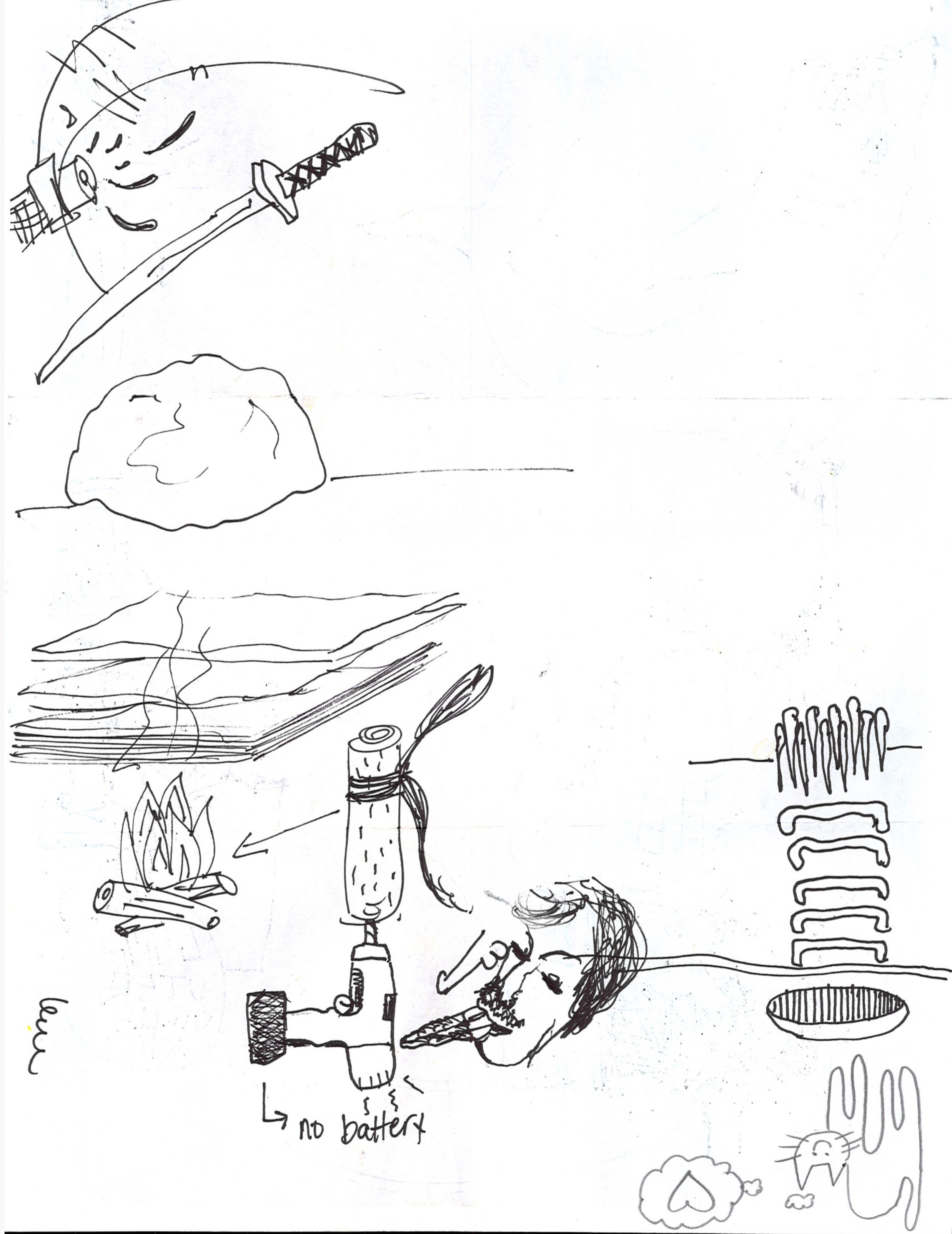
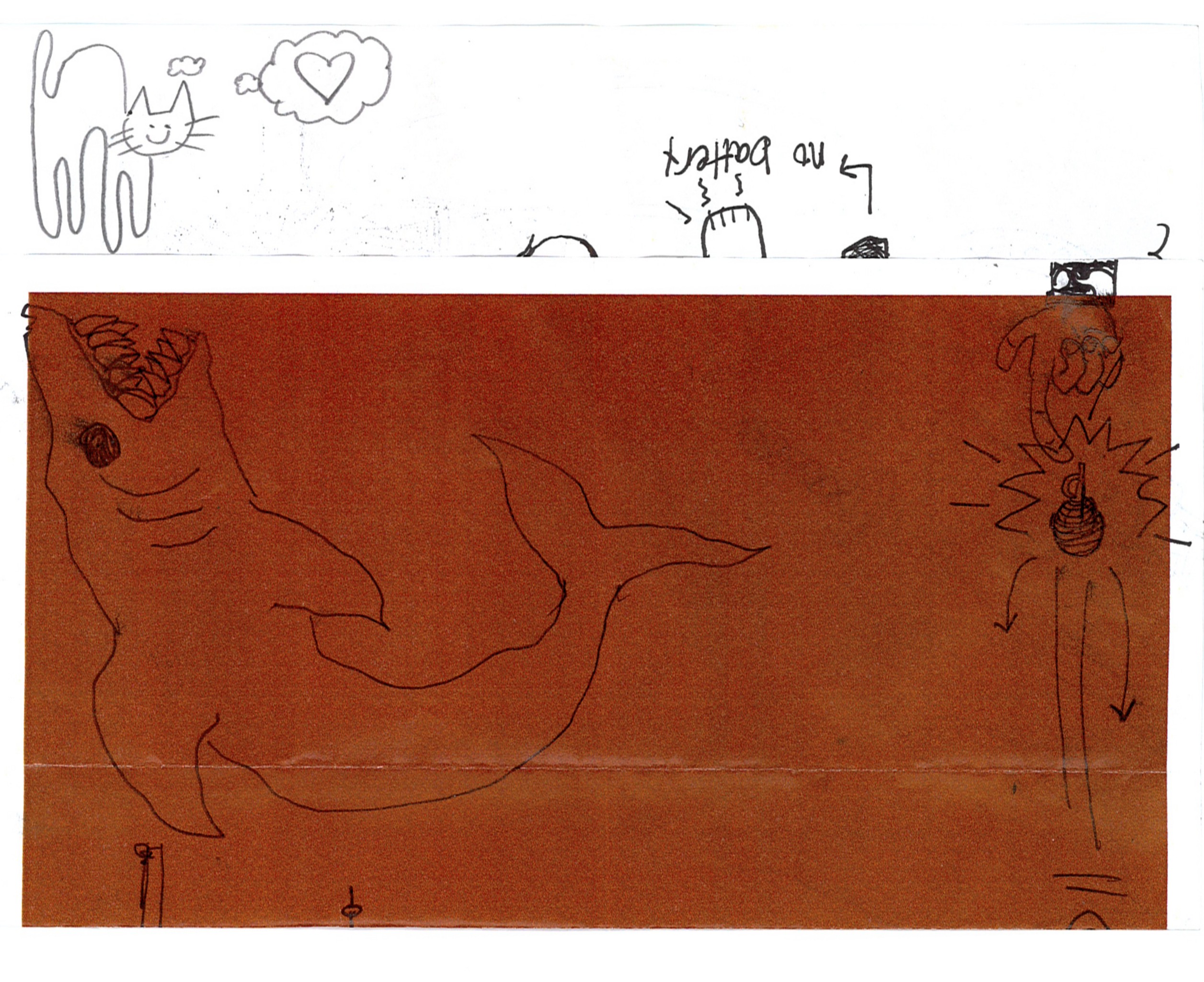
A departure from the Exquisite Corpse, but following similar lines is the Danger Game done in parts at the pub last night.

Image

Unfolded

Image

Page over

Image

So, if you haven’t caught on one person starts, then the next person puts that drawing in danger, followed by a drawing diffusing the situation, then in danger, then diffusing, and on and on and on.

Domo Project! LOVE!

Domo Project! LOVE!.

corpse fourteen

Blog at WordPress.com.

Up ↑